


A cockroach scuttling across your kitchen bench at 2 am is not just gross, it is usually a sign that something more major is going on behind your walls. Most homeowners only think about pest treatment services once they have already got a situation staring back at them. By then, you are not preventing anything, you are just cleaning up after the fact.
This blog breaks down how often you actually need pest control, what changes that timeline and how to tell if your home needs attention sooner than you thinks. No scare tactics just practical stuff based on how pests actually behave in Australian homes.
Why Once a Year Isn’t Always the Right Answer
Plenty of people assume an annual treatment covers them. For some homes, it genuinely does. For others, it is nowhere near enough and they do not find out until there’s a nest in the roof cavity or termite damage in the subfloor.
The truth is pest activity depends on a bunch of factors that have nothing to do with the calendar. Climate, house age, nearby vegetation even how much food waste sits in your bin before collection day. A newer, well-sealed apartment in the inner city faces a completely different pest load than an older weatherboard home backing onto bushland.
Termites alone cause more damage to Australian homes each year than fire, flood and storms combined, according to CSIRO research. That’s not a small statistic to shrug off. And termites are patient. They can work through timber for years before any visible sign shows up.
What Actually Determines Your Treatment Schedule
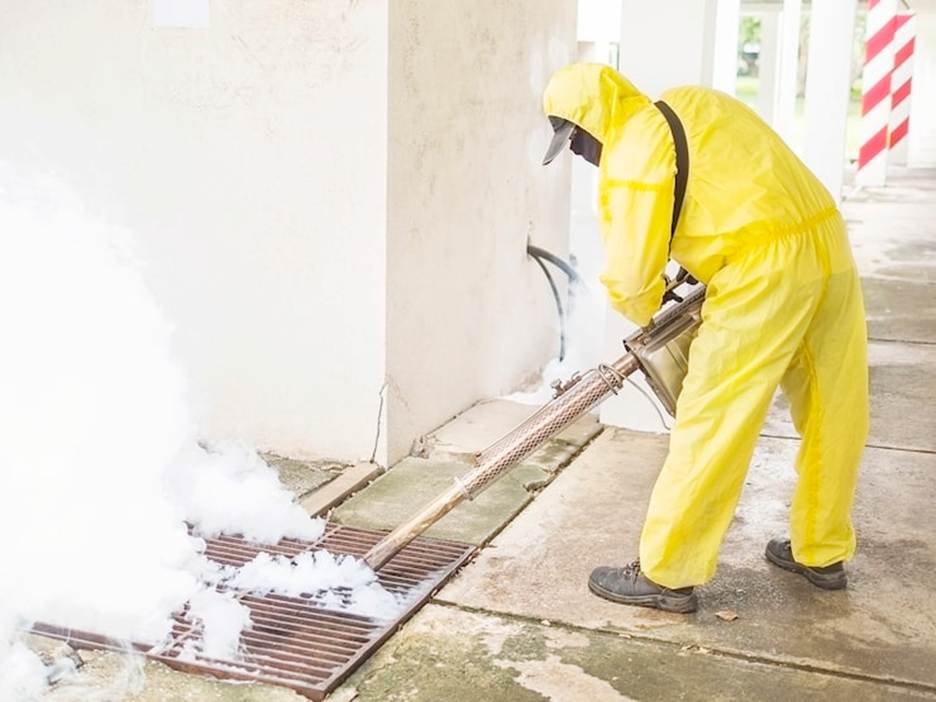
Property Type and Age
Aged homes are more prone to having points of entry, cracks and gaps that pests can enter. Homes constructed with weatherboard, timber floors and any home that has subfloor access are usually more susceptible to termites and require more frequent inspections, around every six months, rather than once a year.
Newer builds with concrete slabs still need attention. Modern construction methods can trap moisture in unexpected places and moisture is basically a welcome mat for pests.
Location and Climate
Homes that are within proximity to bushland, waterways or lush vegetation face more pests. Garden beds and mulch are considered free ground by spiders, ants and rodents and they do not respect property lines. An ideal inspection schedule increases if you live in a suburb that has been known to have termites.
Past Infestation History
After an infestation of termites, cockroaches or rodents, there is a high risk of re-infestation. Pests leave a scent marker and pheromone trails that will draw in more of their own species. A home that has not had issues in the past may benefit from a longer-than-usual treatment period.
Household Habits
Food storage, garden maintenance and general clutter all play a role. It’s not about blaming anyone for having a busy life but a bit of unwashed dishes here and a bit of overgrown grass there adds up over months.
Recommended Pest Treatment Frequency
Here’s a rough breakdown based on common Sydney property types. Treat these as starting points not strict rules since every home is different.
- General pest control (ants, spiders, cockroaches): every 6 to 12 months for most homes
- Termite inspections: annually at minimum, every 6 months for older or bush land-adjacent properties
- Rodent control: as needed but seasonal checks before autumn/winter help since rodents seek shelter indoors as it cools
- Commercial properties (restaurants, food businesses): quarterly often a compliance requirement anyway
That is the only bullet list you’ll see for the numbers side of things. Beyond this it really comes down to watching your own property and noticing changes.
Signs You Need Pest Management Sooner Than Scheduled
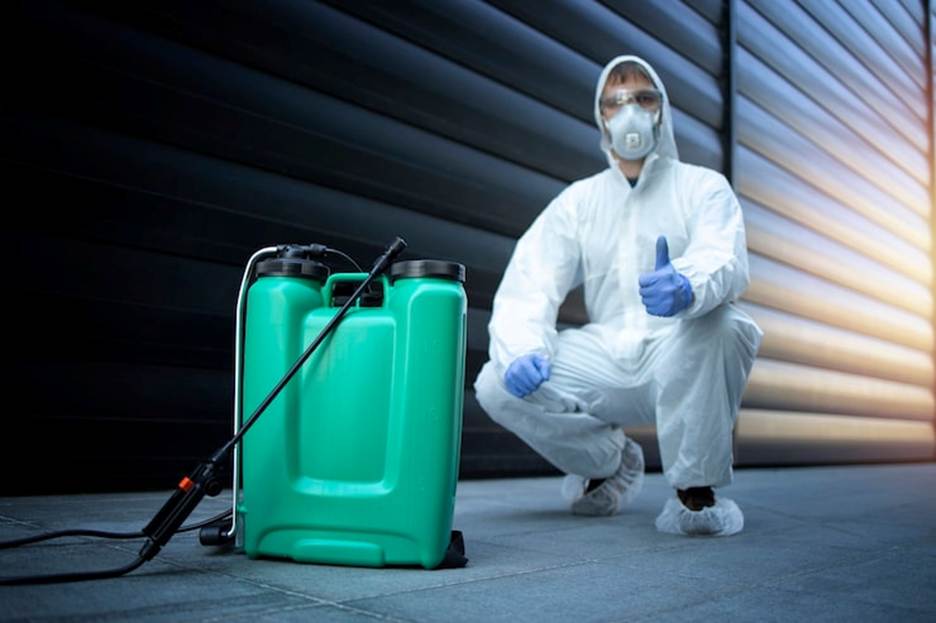
Waiting for your next Pest Management Sydney is not always smart if you are already seeing warning signs. A few things worth acting on immediately:
Discarded wings near windowsills often mean termites have swarmed nearby and that’s not something to sit on. Frass is visible in small heaps around skirting boards, indicating that there are already established termites in the timber. If you hear scratching in the roof at night, particularly at dusk, it is probably a sign of mice nesting for the season. Signs of pests in the house include droppings in cupboards or under sinks, which is a definite indicator that pests have already entered the house, rather than just being allowed in.
If any of that sounds familiar, do not wait for the usual 12-month mark. A same-day inspection is worth the peace of mind, honestly.
Real-World Example: Why Regular Checks Matter
Once a family in Western Sydney told us that they had not had a termite checkup for the past two years as there did not appear to be any issues. After finally inspecting the subfloor, the technician discovered that there was an active infestation of termites present, infested through several floor joists, but concealed from the top due to the surface timber and paint not yet being cracked. The repair bill ended up being far higher than a decade of inspections combined would have cost.
This is not a rare story either. It is basically the standard pattern with termites specifically, since they are built to work quietly and stay hidden. Regular Pest Control Services Sydney are not really about killing bugs you can see; they are about catching the stuff you can’t.
Seasonal Considerations Worth Knowing
Sydney’s climate means pest activity does not really stop it just shifts. When temperatures rise in the spring and summer, ants, spiders and cockroaches are active and become more numerous. Rodents begin nesting in warm, dry locations, usually inside in the fall. Most insects will be quiet during the winter but the temperatures in the soil vary little and termites continue to build up the colonies beneath the ground.
Booking a treatment right before the seasonal shift, rather than after pests have already moved in, tends to get better results and usually costs less in the long run too.
Working With a Licensed Provider
Not every provider treats every pest the same way, and DIY sprays from the supermarket rarely reach the areas where infestations actually start, like wall cavities or subfloors. A licensed technician uses targeted treatments and knows what to look for during an inspection that an untrained eye would miss completely.
When choosing pest control services in Sydney look for providers who offer written guarantees use APVMA-approved products safe for kids and pets and give clear, upfront explanations of what they are treating and why. Transparency matters more than flashy marketing.
Conclusion
Pest treatment frequency is not one-size-fits-all. It depends on your property’s age, location, history and the season. General pest controls every 6 to 12 months works for most homes but termite-prone or older properties often need more frequent checks. Watching for early warning signs like frass, discarded wings or scratching in the roof, matters just as much as sticking to a schedule.
Getting ahead of pest problems always costs less than fixing the damage afterwards, in money and in stress. If you’re unsure where your home stands, a proper inspection clears that up fast. E1 Pest Solutions can help you figure out the right schedule for your property and keep it protected all year round.
FAQs
How often should pest control be done in a Sydney home?
Most homes benefit from general pest control every 6 to 12 months, with termite inspections done at least annually. Older or bush land-adjacent properties often need checks every 6 months due to higher pest pressure.
Do I need pest treatment if I haven’t seen any pests?
Yes, especially for termites. They often cause damage well before any visible signs appear, so scheduled inspections catch problems early rather than after damage is done.
What’s the difference between general pest control and termite inspections?
General pest control targets visible pests like ants, spiders and cockroaches, while termite inspections focus specifically on detecting hidden activity in timber, subfloors and roof cavities before it becomes structural damage.
Is professional pest management safer than DIY treatments?
Professional treatments use targeted, APVMA-approved products applied by licensed technicians who know where pests actually nest, which makes results longer lasting and safer for kids and pets compared to store-bought sprays.


