


If you live in The Hills District, you probably already know that having a leafy backyard comes with a small trade-off: pests love it too.
One week you’re enjoying a quiet afternoon in the garden. The next, you’re finding ants marching across the kitchen bench, hearing scratching in the roof, or spotting a cockroach disappearing behind the fridge.
And then there are termites — the pest nobody wants to discover.
The Hills District has a mix of established homes, newer estates, gardens, bushland, acreage properties and growing residential areas. That means pest problems can vary quite a bit from one suburb to the next. Local pest-control businesses commonly report issues with termites, rodents, cockroaches, ants, spiders, wasps, fleas and other household pests across the area.
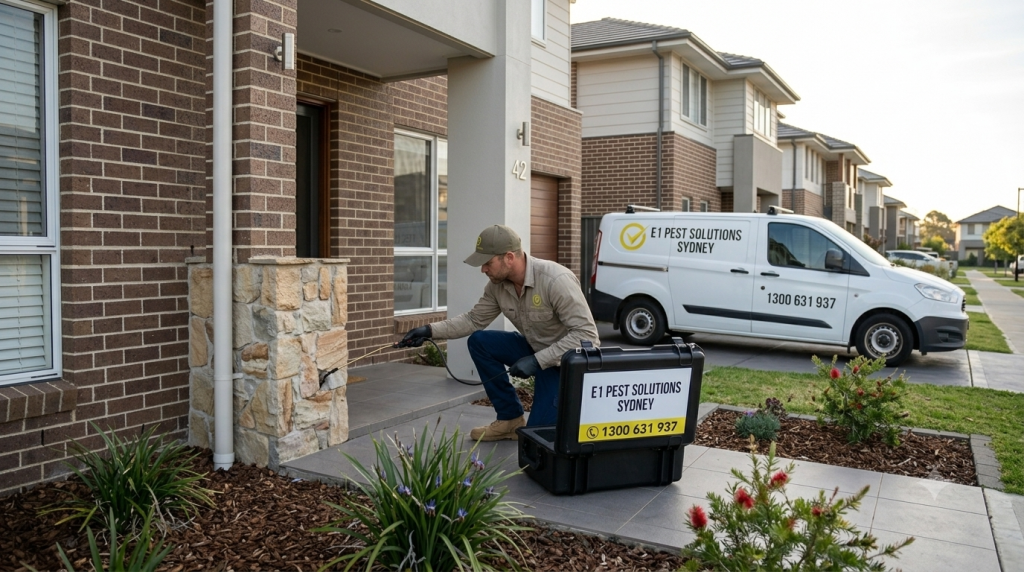
So, what are the most common pest problems in The Hills District, and what can you actually do about them?
Let’s break it down.
1. Termites — The Pest You Really Don’t Want to Ignore
If there’s one pest problem Hills District homeowners should take seriously, it’s termites.
Termites can be difficult to spot because much of their activity happens out of sight. They can move through soil, wall cavities and timber without giving you an obvious warning that something is wrong. See Termites Pest Control Castle Hill
The Hills Shire Council also recognises termites as part of the local environment and notes that when a natural food source such as timber is removed, termites may look for another food source, potentially including timber around homes.
This is one reason properties surrounded by gardens, mature trees, landscaping or older timber structures need sensible termite management.
What are the warning signs?
Keep an eye out for:
- Hollow-sounding timber
- Mud tubes around foundations or walls
- Damaged skirting boards
- Doors or windows that suddenly become difficult to close
- Discarded wings around windows or doors
- Timber that looks blistered or damaged
- Unexplained changes to flooring or walls
But here’s the catch: you don’t always see obvious signs before termites have already caused damage.
That’s why regular termite inspections can be more useful than waiting until you actually find termites.
2. Cockroaches — Especially Around Kitchens
Nobody enjoys turning on the kitchen light at night and seeing a cockroach sprint across the floor.
Cockroaches are one of the most common household pest complaints around Sydney, and Hills District homes are no exception. Local pest services regularly deal with German, American and other cockroach species.
They’re attracted to the things homes naturally provide:
food + moisture + warmth + hiding places.
Kitchens, laundries, bathrooms, garages and areas around bins can all become attractive places for cockroaches.
What makes cockroaches particularly frustrating?
Seeing one cockroach doesn’t necessarily mean there’s only one.
They can hide behind appliances, inside cupboards, wall voids and other dark spaces during the day. By the time you start seeing them regularly, there may already be an established population.
Keeping food sealed, cleaning spills quickly, fixing leaks and reducing clutter can help.
If you’re seeing cockroaches regularly despite keeping the house clean, professional Cockroaches pest control Quakers Hill may be worth considering.
3. Rats and Mice — The Scratching You Hear at Night
That scratching sound above the ceiling at 1am?
It might not be the house settling.
Rats and mice are another common pest problem across The Hills District. Local conditions vary, but homes with gardens, sheds, roof cavities, mature trees or accessible food sources can provide plenty of opportunities for rodents.
The Hills Shire Council specifically warns that overgrown properties can provide harbourage for vermin such as rats and mice.
Signs of a rodent problem include:
- Scratching or movement in the roof
- Droppings in cupboards or garages
- Chewed food packaging
- Gnaw marks
- Greasy marks along walls
- Unusual smells
- Damage to insulation or stored items
The important thing is not just getting rid of the rodents you can see.
You also need to work out how they’re getting inside.
That might mean checking rooflines, vents, gaps around pipes, garages, doors and other potential entry points. See Rodent Control Baulkham Hills
4. Ants — Small Problem, Big Frustration
Ants are probably the pest most homeowners simply try to deal with themselves.
You see a line of ants.
You spray them.
They’re gone.
Then two days later, they’re back.
Sound familiar?
The problem is that killing the ants you can see doesn’t necessarily deal with the nest.
Ant problems are common across The Hills District, with local pest services treating different species including black ants and other household ants.
Ants can enter through surprisingly small gaps around:
- Windows
- Doors
- Pipes
- Cracks
- Walls
- Kitchens
- Outdoor entertaining areas
If ants keep returning to the same place, the better approach is to find where they’re coming from and deal with the source rather than simply spraying the trail. Ants Pest Control Rouse Hill
5. Spiders — A Bigger Issue Around Leafy Properties
The Hills District is known for its greenery, gardens and bushland areas.
That’s great for homeowners.
It can also be great for spiders.
Spiders are commonly treated around Hills District homes, particularly around garages, sheds, eaves, outdoor entertaining areas and gardens.
Not every spider needs professional treatment. Many are simply part of the local environment.
The problem is when spider activity becomes excessive or when you’re concerned about spiders around areas regularly used by children and pets.
Simple things that can help
Keep vegetation trimmed away from the house, reduce outdoor clutter, remove excessive webbing and consider where outdoor lights are attracting insects — because where there are plenty of insects, spiders often aren’t far behind. Spider Pest Control Box Hill
6. Wasps and Bees
Finding a bee buzzing around the garden isn’t automatically a reason to panic.
Bees play an important role in the environment and, where appropriate, should be professionally relocated rather than unnecessarily destroyed.
Wasps are a different story, particularly when a nest has developed close to a doorway, children’s play area, entertaining area or other high-traffic part of the property.
Wasps and stinging insects are among the pest issues handled by local Hills District pest professionals.
If you discover a nest, don’t poke it with a broom or spray it while standing underneath.
That’s a job where professional removal is often the safer option.
7. Mosquitoes — Check Your Own Backyard First
Mosquito problems aren’t always caused by a creek or bushland nearby.
Sometimes the breeding opportunity is much closer to home.
Blocked gutters, buckets, pot plant trays, poorly maintained water features and other containers that hold stagnant water can create mosquito-friendly conditions. Local Hills District pest guidance recommends checking these water-holding areas around the property first.
After periods of warm weather and rain, it’s worth walking around your property and emptying anything that has collected water.
It takes a few minutes and can make a noticeable difference.
Why Pest Problems Can Vary Across The Hills District
One of the interesting things about The Hills District is that it isn’t one uniform environment.
A townhouse in Norwest isn’t the same as a large property in Glenorie.
A newer home in Box Hill isn’t the same as an established house in Baulkham Hills.
And a property bordering bushland can have completely different pest pressures from an apartment surrounded by other buildings.
Local pest conditions can be influenced by:
- Landscaping
- Bushland and reserves
- Property age
- Construction type
- Gardens and vegetation
- Nearby food businesses
- Waste storage
- Roof cavities
- Drainage
- Standing water
- Access to food and shelter
That’s why a proper inspection is usually more useful than simply applying the same treatment everywhere.
What Can Hills District Homeowners Do to Prevent Pests?
You don’t need to turn your backyard into a chemical-free laboratory or spend every weekend looking for bugs.
A few simple habits go a long way.
Keep gardens under control
Trim vegetation away from walls, windows and rooflines.
Don’t leave food exposed
Keep pantry food in sealed containers and clean up crumbs and spills.
Deal with moisture
Fix leaking taps, pipes and gutters where possible.
Keep the roof and eaves accessible for inspection
Don’t allow branches to constantly touch or overhang the roof.
Reduce clutter
Old boxes, timber, garden waste and unused materials can provide hiding places for pests.
Seal obvious entry points
Check gaps around doors, windows, pipes, vents and other openings.
Don’t ignore unusual signs
Scratching noises, droppings, mud tubes, repeated cockroach sightings or suddenly increasing spider activity are worth investigating.
When Should You Call a Professional Pest Controller?
There’s nothing wrong with reaching for supermarket pest spray when you find the occasional ant or cockroach.
But DIY treatment has its limits.
I’d seriously consider professional pest control if:
- Cockroaches keep coming back
- You hear rodents in the roof
- You’ve found possible termite activity
- Ants repeatedly return after treatment
- There’s a large wasp nest
- Pest activity is affecting a rental or commercial property
- You’re seeing a significant increase in spiders
- You don’t know where the pests are coming from
A professional pest controller can look beyond the pest itself and identify why the property is attracting them in the first place.
That distinction matters.
You don’t just want to kill today’s cockroaches. You want to reduce the conditions that make your home attractive to cockroaches in the first place.
Pest Control in The Hills District: Prevention Beats Panic
Living in The Hills District means enjoying plenty of greenery, gardens and outdoor space.
It also means sharing the neighbourhood with plenty of insects and wildlife.
The goal isn’t to eliminate every creature from your property. That’s neither realistic nor necessary.
The goal is to keep unwanted pests out of your living spaces, protect your property and deal with genuine infestations before they become bigger headaches.
Termites deserve particular attention because of the potential for property damage. Rodents need proper exclusion as well as control. Cockroaches and ants often require attention to the source of the infestation, while spiders, wasps and mosquitoes can often be reduced by managing the conditions around the home.
And if you’re not sure what you’re dealing with, don’t guess.
Get the problem identified first, then choose the right treatment.
Need Pest Control in The Hills District?
If you’ve spotted termites, rats, cockroaches, ants, spiders or other unwanted pests around your property, E1 Pest Solutions can inspect the problem and recommend an appropriate treatment.
For homeowners across areas such as Castle Hill, Baulkham Hills, Kellyville, Rouse Hill, Bella Vista, Norwest, Glenhaven, Dural, Box Hill and surrounding Hills District suburbs, getting on top of a pest problem early can save a lot of frustration later.
Call E1 Pest Solutions on 1300 631 937 or visit www.e1pestsolutions.com.au to discuss your pest problem.
Frequently Asked Questions
What are the most common pests in The Hills District?
Common pest problems include termites, cockroaches, rats and mice, ants, spiders, wasps and mosquitoes.
Are termites a problem in The Hills District?
Yes. Termites occur naturally in the local environment, and homeowners should pay attention to potential termite activity and maintain appropriate inspection practices.
Why do I keep getting cockroaches even though my house is clean?
Cockroaches can enter through small gaps and may hide in wall cavities, cupboards, appliances and other sheltered areas. Food hygiene helps, but an established infestation may require targeted professional treatment.
How can I prevent rats and mice?
Reduce access to food and shelter, keep vegetation and clutter under control, and seal potential entry points around the building. If you hear rodents in the roof or walls, investigate rather than simply placing bait and hoping the problem disappears.
Should I get a termite inspection if I haven’t seen termites?
It’s sensible to consider routine termite inspections because termite activity can remain hidden and visible damage may appear only after an infestation has been present for some time. Local pest specialists commonly recommend annual inspections for Hills District properties.
Can one pest treatment get rid of every pest?
Not necessarily. Different pests behave differently and may require different treatment methods. A good pest-control plan should be based on the pest species, where they’re active and what’s attracting them to the property.


