


If you’ve lived in Rouse Hill for more than a year, you’ve probably noticed that pest problems seem to change with the seasons. Summer might bring a trail of ants across the kitchen bench, while winter is when those scratching noises in the roof suddenly become impossible to ignore.

That’s not your imagination.
Different pests become active at different times of the year, and understanding those patterns can help you prevent an infestation before it starts. For homeowners in Rouse Hill, where modern housing estates sit alongside bushland, parks and established gardens, seasonal pest activity is something worth paying attention to. Common local issues include termites Rouse Hill, ants Rouse Hill, cockroaches, spiders and rodents, with winter often bringing more rats and mice indoors.
Let’s take a closer look at what you can expect throughout the year.
Summer in Rouse Hill: When Insects Become More Active
The warmer months are when most insects are at their busiest.
Heat, humidity and regular summer storms create ideal breeding conditions, while longer daylight hours mean pests spend more time searching for food and water. Across Australia, cockroaches, ants and termites are particularly active during summer.
Winter in Rouse Hill: When Rodents Move Indoors
As temperatures drop, the pest picture changes.
Many insects slow down, but rodents become far more noticeable.
If you’ve ever heard scratching above the ceiling at two in the morning during winter, chances are you’re sharing your roof with rats or mice.
They aren’t coming inside because they enjoy your company.
They’re looking for three things:
- warmth
- shelter
- food
Homes provide all three.
Rodents only need surprisingly small gaps around pipes, roof tiles, garages or vents to gain entry.
Once inside, they often build nests in roof insulation, wall cavities and storage areas.
Local pest professionals consistently report increased rodent activity during winter in Rouse Hill and surrounding Hills District suburbs.
Do Cockroaches Disappear During Winter?
Not necessarily.
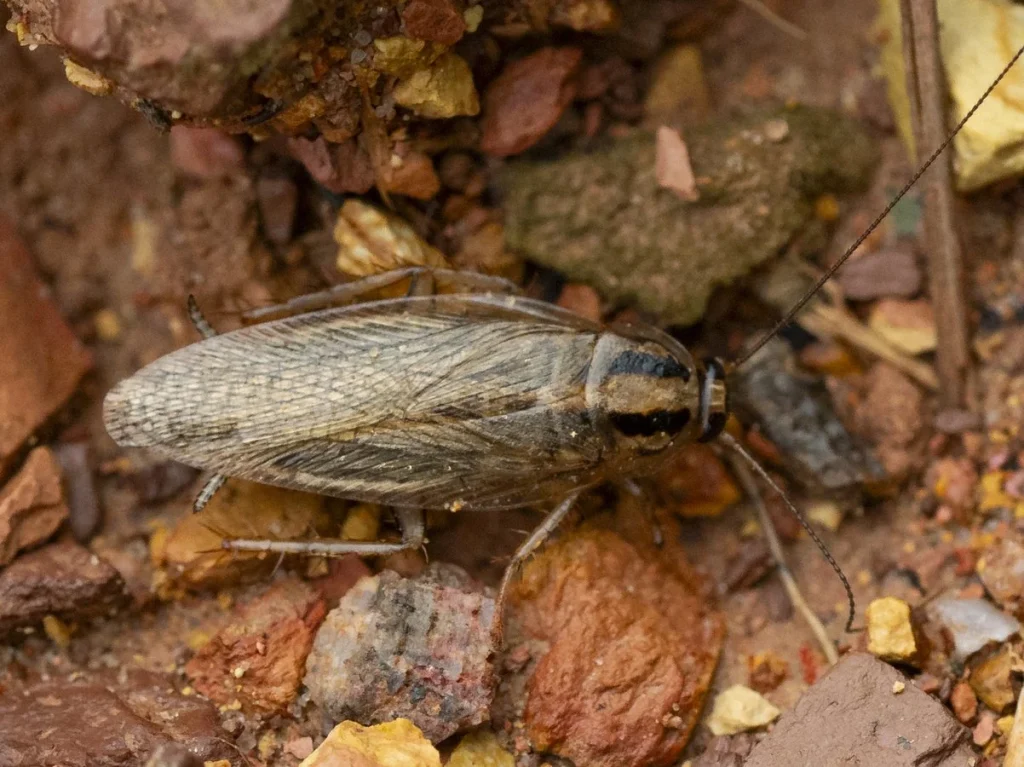
Outdoor cockroach activity usually decreases as temperatures fall, but indoor infestations can continue all year.
Your heated kitchen provides a comfortable environment regardless of the season.
If food and moisture are available, cockroaches don’t have much reason to leave.
Are Termites Still Active During Winter?
Yes.
One of the biggest misconceptions is that termites “go away” once the weather cools.
They don’t.
Termites continue feeding throughout winter, particularly underground where temperatures remain relatively stable.
The difference is that homeowners are less likely to notice activity because swarming usually occurs during warmer conditions.
Why Seasonal Pest Control Works Better
Many people only call a pest controller once they’ve found a problem.
The better approach is to stay one step ahead.
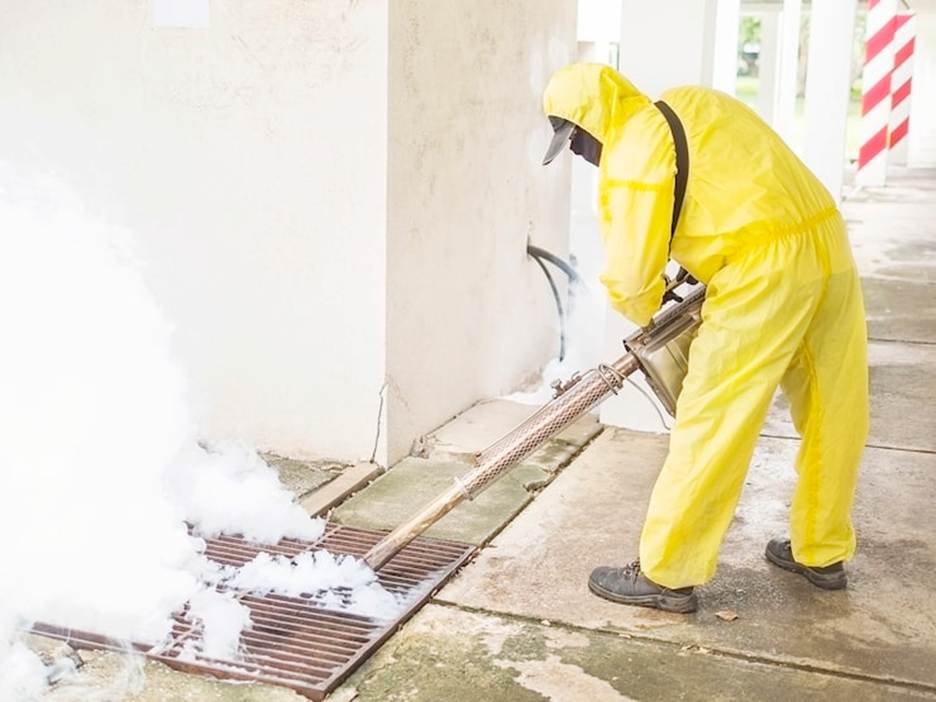
A seasonal pest management plan allows technicians to treat likely problem areas before pests become established.
For example:
- Summer treatments focus on ants, cockroaches, spiders and termite monitoring.
- Winter inspections often pay extra attention to roof voids, rodent entry points and nesting areas.
Preventing an infestation is almost always easier—and usually cheaper—than removing one after it’s taken hold.
Local Conditions Matter
No two suburbs experience pest activity in exactly the same way.
Rouse Hill’s combination of newer housing developments, landscaped gardens, nearby bushland and expanding residential areas creates ideal conditions for a wide range of pests throughout the year. Homes near reserves and creek corridors often experience more spider and rodent activity, while built-up areas commonly see ants and cockroaches around kitchens and outdoor entertaining spaces.
Understanding those local conditions helps ensure treatments are targeted where they’ll make the biggest difference.
If there’s one thing homeowners in Rouse Hill quickly learn, it’s that pest activity doesn’t stop—it simply changes with the seasons.
Summer usually means ants, cockroaches, spiders and increased termite activity.
Winter often brings rats and mice indoors as they search for warmth and shelter.
Staying ahead of those seasonal changes with regular inspections and preventative treatments can save you a great deal of stress, damage and expense later on.


