


Ants are stubborn little things. You spray them, watch them scatter, feel that quick win and then three days later there’s a fresh trail marching across your kitchen bench like nothing ever happened. If you have dealt with this in Sydney, especially through the warmer months, you already know exactly what I’m talking about. Most people searching for ant control Sydney solutions have already tried the supermarket spray can at least twice before they call a professional.
Here’s what this blog actually covers: why sprays fail, what’s happening underground that you cannot see and what actually works long-term.
The Spray Only Kills What You Can See
Is that can of insect spray under your sink? It’s designed to kill on contact. Which sounds great until you realise ants do not operate as individuals. A colony can have anywhere from a few thousand to over a hundred thousand members and the ones wandering across your bench are just scouts or foragers. Killing them barely puts a dent in the actual problem.
The queen, sitting somewhere deep in a wall cavity or under your slab, keeps laying eggs completely undisturbed. Within days, new workers replace the ones you wiped out. It is a bit like mowing weeds instead of pulling the roots. Looks tidy for a moment, then it’s back.
Ants Communicate Through Scent Trails
This part surprises a lot of homeowners. As ants forage, they leave pheromone trails, the scent of which may be left from the nest to the food source they find in your kitchen. Do not spray ants you can see they will not destroy the trail. New ants soon follow the trail and do it in hours. Hence, you might see activity resuming at the same place, even the same day.
Why DIY Treatments Rarely Solve the Root Problem
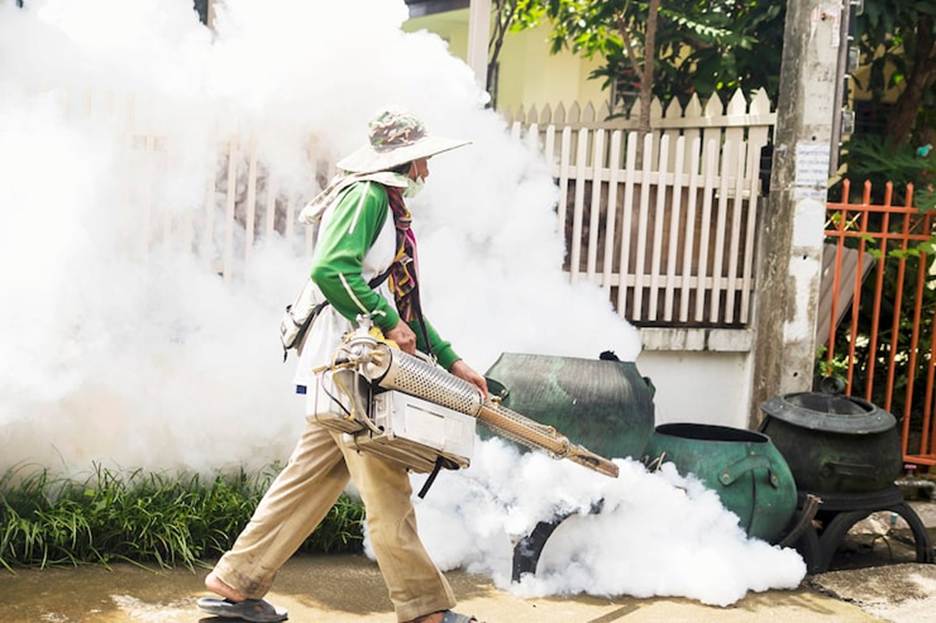
Household sprays and baits are not useless but they are built for surface-level knockdown, not colony elimination. A few reasons they fall short:
- They target the wrong ants: Contact sprays kill foragers, not the reproductive members of the colony that actually sustain it.
- They disturb the colony without destroying it Some species respond to disturbance by budding, where the colony splits into multiple smaller nests. One problem becomes three.
- The wrong product for the species; there are a number of common ant species in Sydney such as black house ants, coastal brown ants and Argentine ants and each ant acts differently. A general spray does not consider that.
Coastal brown ants are especially troublesome around Sydney houses in bushland or coastal areas. They invariably nest in wall holes, under paving and even in electrical fittings and finding them is difficult enough without going in yourself.
What Professional Ant Pest Control in Sydney Actually Does Differently
A licensed technician is not just spraying more product; they are identifying the species first because treatment plans genuinely differ depending on what you are dealing with. Coastal brown ants need a different approach than black house ants and both need something different again from Argentine ants which are known for forming massive interconnected super-colonies across multiple properties.
Professional ant exterminator Sydney visits typically involve:
- Inspection first: A technician traces the trail back toward the nest area rather than guessing. This alone changes the outcome dramatically because treatment gets applied where it actually matters.
- Non-repellent products: These products are not repellent to ants and cannot be smelt out by the ants in the supermarket. Workers walk through it and carry it back to the nest and pass it to other ants, such as the queen. It takes longer than a spray and may take up to 1-2 weeks to work; however, it does affect the entire colony rather than just what can be seen.
- Baiting where appropriate: For species that respond well to bait stations, technicians place them strategically along known trails rather than randomly around the house.
- Sealing entry points: Common ant trails include gaps under skirting boards, around pipes and in foundation cracks. Control of these can help combat reinfestation as well as chemical methods.
Real Patterns We See Across Sydney Homes
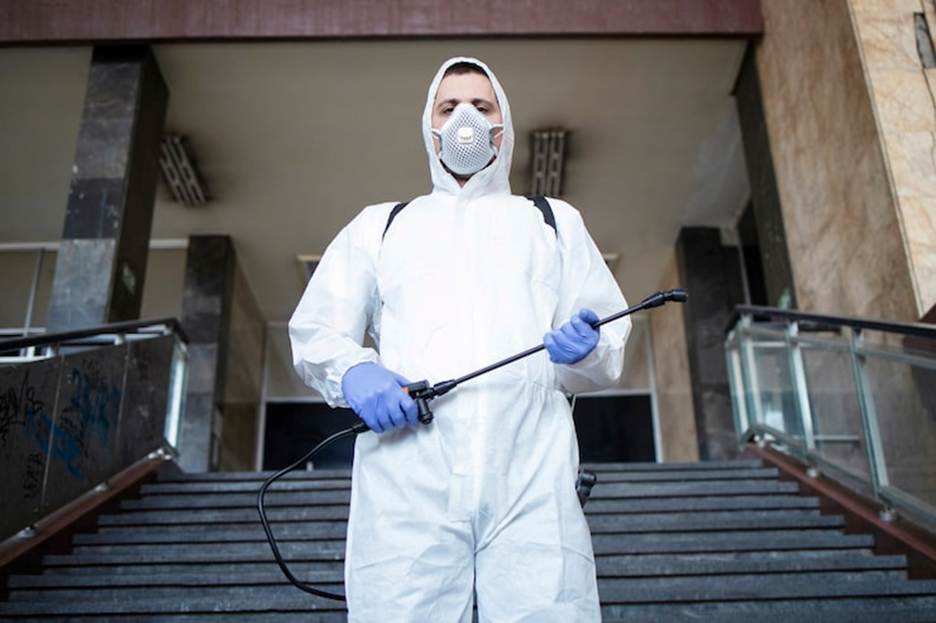
Older weatherboard homes in the Inner West and Hills District tend to have more black house ant activity due to timber gaps and subfloor access. Homes closer to bushland, particularly around the Ant Pest Control Sydney, deal more frequently with coastal browns because of nearby natural nesting habitat. Kitchens with pet food bowls left out overnight are, unsurprisingly, one of the most common ant magnets we come across, regardless of suburb.
None of this is exotic knowledge but it is the kind of pattern recognition that only comes from doing hundreds of these jobs across different property types.
Simple Habits That Reduce Reinfestation
Treatment is more effective when combined with some regular routines at home:
- Clean cooking surfaces after preparing food, particularly sugary or oily items.
- Put food in sealed containers and bottles in the pantry, such as sugar, flour and pet food.
- Repair small leaks around sinks as these damp spots are attractive to some ant species.
- Prune trees and bushes from outside the house and remove mulch from the house perimeter.
- Avoid leaving pet food bowls out overnight.
None of these guarantee ants will return because Sydney’s climate is genuinely favorable for several species year-round. But they do reduce the chances significantly and make any professional treatment last longer.
When It’s Time to Call a Professional
Spraying two or three times and ants are still seen again within a week is typically an indicator that the nest has not been targeted. There are a number of signals that warrant a visit from a technician and not more spray cans, such as persistent trails, multiple rooms with ants, or ants near electrical outlets, which is an indication of some nesting species.
Conclusion
Ants returning after a spray is not bad luck it’s just how colonies work. The visible ants are never the real problem the nest is. Professional treatments focus on nests that are found right on top of them and a few simple habits can help minimise new activity at home. When nothing seems to work to control ants, E1 Pest Solutions can determine the species, source and treat the first time accordingly. See Also Ant control The Ponds
FAQs
How long does professional ant treatment take to work?
Most non-repellent treatments take between one and two weeks to fully eliminate a colony, since the product needs time to spread through the nest via worker ants. Visible activity usually drops noticeably within the first few days.
Why do ants keep coming back to the same spot in my house?
Ants follow pheromone scent trails left by earlier foragers. Unless that trail is disrupted and the nest itself treated, new ants will keep using the same path to reach a food source.
What ant species are most common in Sydney homes?
Black house ants, coastal brown ants, and Argentine ants are among the most frequently reported across Sydney suburbs, each with different nesting habits and treatment requirements.
Is DIY ant spray a waste of money?
Not entirely, it can offer short-term relief for visible ants, but it rarely reaches the nest or queen. For lasting results, especially with recurring infestations, professional treatment addresses the colony directly rather than just the symptoms.


