


Restaurant kitchens across Sydney fail health inspections over cockroach activity more than almost anything else, and most owners genuinely don’t know why. The same can of spray that tapped out the ants at home does basically nothing in a commercial kitchen. It’s not that anyone’s doing something wrong. The environment itself is just built differently and calling cockroach pest control Sydney kitchens actually needs to start with understanding that contrast first.
Here’s what actually separates commercial cockroach problems from the domestic kind, what treatments hold up under real kitchen conditions and how to stay compliant without shutting your doors for a day.
Why Home Treatments Just Don’t Hold Up in Commercial Kitchens
A home kitchen might get used for a few hours a day, tops. A commercial one runs from early prep through late close, often longer, with staff moving through constantly, equipment running non-stop. That alone changes how pests behave and what it actually takes to treat them properly.
Heat is the other piece people don’t think about. Fryers, ovens, dishwashers, walk-in compressors, they all throw off warmth, and German cockroaches love that kind of setup. They breed fast in it. A single female can produce hundreds of offspring over her lifetime, and in a warm commercial kitchen that whole cycle just moves quicker.
Then there’s food and water. Grease traps, floor drains, condensation lines, crumbs and debris tucked behind equipment nobody’s moved in months. Homes have some of this too, obviously, but not at the scale of a working commercial kitchen. Technicians who mostly work on houses sometimes underestimate just how much tougher these spaces are to clear out properly.
Compliance Adds a Whole Other Layer
Food businesses in NSW sit under strict food safety rules, and whatever’s used in a working kitchen has to be picked carefully. You can’t just spray near prep zones or storage areas and call it done. Products need approval for food handling environments, and honestly the application method matters almost as much as the product itself.
This is a big reason why cockroach control Sydney hospitality venues tend to come from licensed technicians who understand both pest biology and food codes together. Killing roaches is only half the job. Doing it without risking a health inspection or contaminating anything nearby is the other half, and it’s the part that trips people up.
What Actually Works in a Commercial Setting
Good commercial cockroach treatment almost never relies on a single method. It’s usually a combination, and here’s what tends to move the needle most:
- Gel baiting in cracks and voids instead of open spraying, since roaches spend the day hiding deep in equipment gaps, behind panels, inside wall cavities where a spray cannot reach
- Targeting harborage zones directly, meaning behind fridges, under dishwashers, around pipe penetrations, inside motor housings, all the spots roaches actually nest in
- Sticking to a follow-up schedule, because one visit rarely breaks a full breeding cycle in a busy kitchen, no matter how thorough it was
- Sealing entry points, gaps around pipes, cracks in walls, spaces under doors, the little openings that let roaches wander between units in shared buildings
That last one gets overlooked more than it should. In strip malls or food courts especially, one infested tenancy can reinfest the kitchen next door within a few weeks, sometimes faster.
Timing matters too, more than people expect. Treating during service hours isn’t ideal for obvious reasons, and most kitchens end up scheduling treatment after close or before opening so the products have time to work undisturbed.
Why It’s Almost Always German Cockroaches
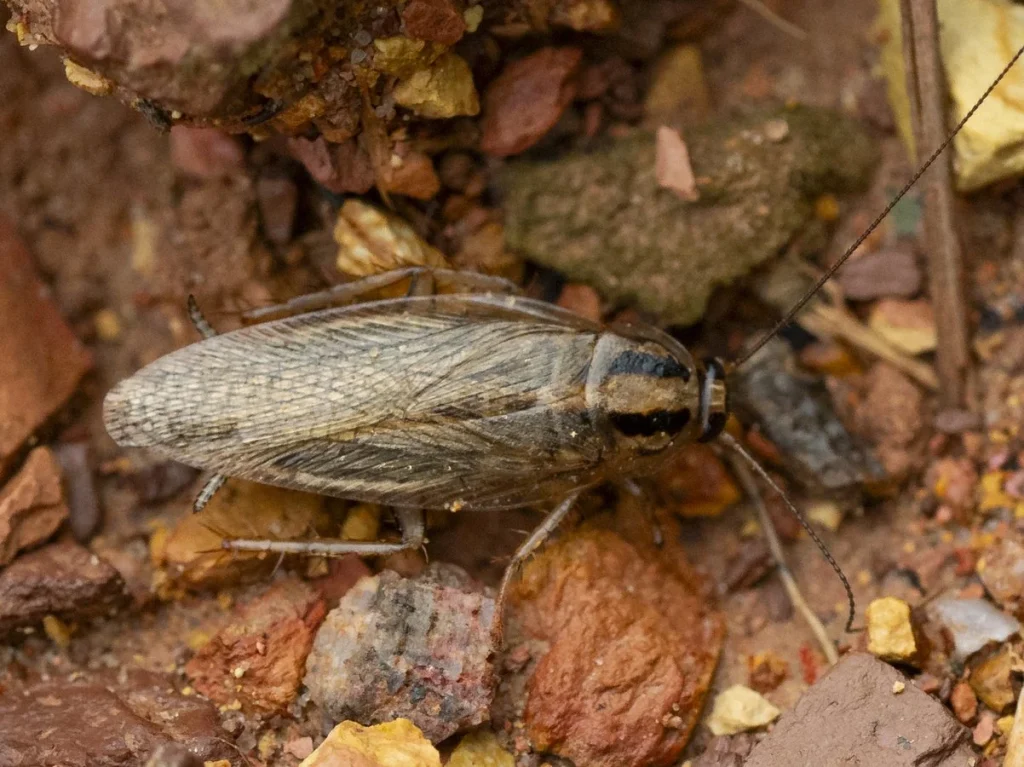
Most commercial kitchen infestations in Sydney come down to German cockroaches specifically, not the bigger American ones people tend to picture when they think cockroach. German cockroaches are smaller, breed faster and are just better at squeezing into tight equipment gaps. Some are also more resistant to the sprays you would grab off a supermarket shelf which is a big part of why DIY attempts in commercial kitchens tend to fail.
A manager might spray the visible areas, see roaches vanish for a week or two, feel like the problem’s sorted, and then watch it come roaring back once the egg cases hatch. Nobody treated those. Each egg case (called an ootheca, if you’re curious) can hold dozens of nymphs, and a female carries it around right up until it’s ready to hatch. Miss that stage, and the whole cycle just starts over. Check Pest Control Service Parramatta
The Real Cost of Getting This Wrong
A failed pest inspection in a commercial kitchen isn’t just an awkward moment, it can mean fines, a forced closure, and reputation damage that takes months to shake off. Word travels fast when a place gets flagged for pest activity. Online reviews don’t forget either.
Beyond the compliance side, there’s the operational cost too, contaminated stock, damaged packaging, staff pulled off service to deal with an active problem instead of doing their actual job. Prevention almost always ends up cheaper than reacting after the fact, which is part of why more commercial clients are moving toward scheduled maintenance instead of waiting for something to go wrong first.
What Good Commercial Pest Management Actually Looks Like
A proper program for a food business usually means regular inspections, not just a callout whenever something’s spotted crawling across the floor. Technicians should be checking drains, behind equipment, storage areas and delivery zones, since that’s often exactly where an infestation starts. Roaches get brought in through packaging or deliveries more often than people assume. They don’t just appear out of nowhere.
Documentation matters here as well. Food businesses often need records of pest control visits for their own compliance purposes, and a decent provider keeps that paperwork organised and ready whenever it’s needed, not scrambled together the morning of an inspection.
Practical Advice for Kitchen Owners and Managers
Waiting until roaches show up during service is usually too late. If you’re seeing them in daylight, that’s a sign the population behind the scenes is already fairly established, not an early warning. Roaches are nocturnal by nature, so daytime activity means things are crowded enough that some are being pushed out into the open.
Pulling equipment out and cleaning underneath and behind it periodically, not just around it, gets rid of a lot of the grease and food buildup that draws roaches in to begin with. Sounds obvious, maybe even a bit boring, but it’s one of the more effective habits a kitchen can pick up, and it costs nothing beyond a bit of time and effort.
Working with someone who treats food environments regularly, rather than a technician who mostly does homes, tends to get better long-term results. The products, the application approach and the understanding of commercial regulations all of it differs enough that experience in this exact setting genuinely matters. See Pest Control Baulkham Hills
Where This Leaves You
Commercial kitchens create conditions, heat, food access and moisture, constant activity that residential treatments were never built for. German Cockroach pest control near me is fast and hides well in commercial equipment, so a single spray treatment rarely fixes the underlying problem. Real control comes down to baiting, targeted harborage treatment, sealing entry points, and sticking to a follow-up schedule rather than a one-off visit and hoping for the best. Food safety regulations also shape what products and methods can even be used in these spaces, which is why licensed, experienced technicians matter here more than they might elsewhere.
Conclusion
If your kitchen keeps dealing with recurring roach activity, or you are searching for cockroach pest control near me because a home remedy has not made a dent in a commercial setting, it’s worth bringing in a team that treats food businesses regularly and actually understands what these environments need. E1 Pest Solutions works with commercial kitchens across Sydney to build treatment plans around how these spaces really operate, not a generic spray-and-go visit.
Frequently Asked Questions
Why do cockroaches keep coming back after I’ve sprayed my kitchen myself?
Store bought sprays usually only get the roaches you can see, missing egg cases and the ones hiding deep in equipment gaps. Without treating the hiding spots and breeding areas directly, the population just rebuilds within a few weeks.
How often should a commercial kitchen get professional pest control?
Most food businesses do well with scheduled visits every one to three months, depending on kitchen size and risk factors like nearby tenancies or how often deliveries come in, rather than waiting until something’s visibly wrong.
Is commercial cockroach treatment safe to carry out while the kitchen’s still operating?
Treatments can usually be scheduled around service hours using food-safe products and methods, so there’s no need to close up, though after-hours application tends to get better results overall.
What’s the difference between German cockroaches and other types found in Sydney kitchens?
German cockroaches are smaller, breed faster, and prefer warm, humid spots near equipment, which makes them the most common and stubborn species in commercial food settings compared to the larger outdoor varieties people usually picture.


