


A termite colony can chew through a structural beam for years before anyone notices a single sign. That is not an understatement. Most homeowners did not notice the damage until the repair cost has reached thousands. This is why termite inspection Sydney services were created in the first place. Termites are designed to be stealthy.
This blog breaks down why termites do so much damage before detection what makes Sydney homes particularly vulnerable and what actually works to catch them early.
The Silent Nature of Termite Damage
Termites do not make any noise. They do not typically venture into open ground where you’d see them as rodents or cockroaches do. The most common and destructive Termite Pest Control Sydney is subterranean termites; they do not come into contact with the sun but feed through soil and create mud tunnels to the wood.
A worker termite is about the size of a grain of rice. It doesn’t produce any noise that would be detected during a regular day. Does not drop crumbs on your kitchen floor! Rather it consumes wood from the inside out, so that the surface is entirely normal until you press on it and your finger pierces right through.
That’s the part that catches people off guard. A skirting board can look fine on the surface while being almost entirely hollow underneath.
Why Detection Takes So Long
There are a few reasons termite damage flies under the radar for months or years.
- Termites prefer damp, dark, undisturbed areas. Subfloors, wall cavities, roof voids. These are places most people do not check regularly if ever.
- Damage mimics other issues. Sagging floors get blamed on foundation settling. Sticking doors get blamed on humidity or old hinges. Nobody thinks termite until the problem gets severe enough to force the question.
- Colonies can number in the hundreds of thousands. One colony working day and night continuously, for years, adds up to a shocking volume of consumed timber. And they do not take breaks.
The Real Cost of Waiting

Estimates, which have been widely quoted by the pest control industry, indicate that termites will infest the average Australian home once every three years. CSIRO estimates consistently in the pest control industry suggest that a person’s average home in Australia will experience termite activity once every three years. Usually, however, the damage will not be covered either: Most home insurance policies consider termites to be a maintenance problem instead of an insurable event.
That leaves the homeowner footing the entire bill. Structural timber replacement, especially in older Sydney homes with hardwood framing can run into tens of thousands of dollars in severe cases. Even a moderate infestation caught late often costs several thousand dollars to repair properly.
Compare that to the cost of an annual inspection which is a fraction of that figure and the math becomes pretty obvious.
Why Sydney Properties Are Particularly at Risk
Sydney’s climate checks a lot of boxes termites love. Humid summers, mild winters and plenty of established timber housing stock-built decades ago using construction methods that predate modern termite barriers.
Suburbs with older weatherboard homes, timber decking and gardens with mulch beds right up against the foundation are especially exposed.
Then consider the number of houses abutting bushland or those located in areas with trees at maturity and you have a vast expanse of termite habitat in the metro area. One of the main reasons for doing termite inspections is that they are required at least once a year and sometimes more frequently for older or higher-risk properties, as this is one of the biggest reasons why they are done. A colony can cause extensive structural damage in two or three years.
Warning Signs Worth Knowing (Even If You’re Not an Expert)
You did not need to be a pest technician to catch early red flags. A few things worth checking around the property every so often:
- Mud tubes running along foundation walls, timber stumps or brick piers, usually pencil thin and light brown
- Timber that sounds hollow or papery when tapped, or floorboards that feel slightly spongy underfoot
- Doors or windows that suddenly stick without an obvious reason like humidity
- Small piles of what looks like fine sawdust near skirting boards or window frames which can actually be frass from a different termite type
- Discarded wings near windowsills or light fittings, especially after a warm, humid evening which often signals a swarm event nearby
None of these guarantees an infestation on their own. But two or three together is worth getting checked properly rather than shrugging off.
Why DIY Checks Aren’t Enough
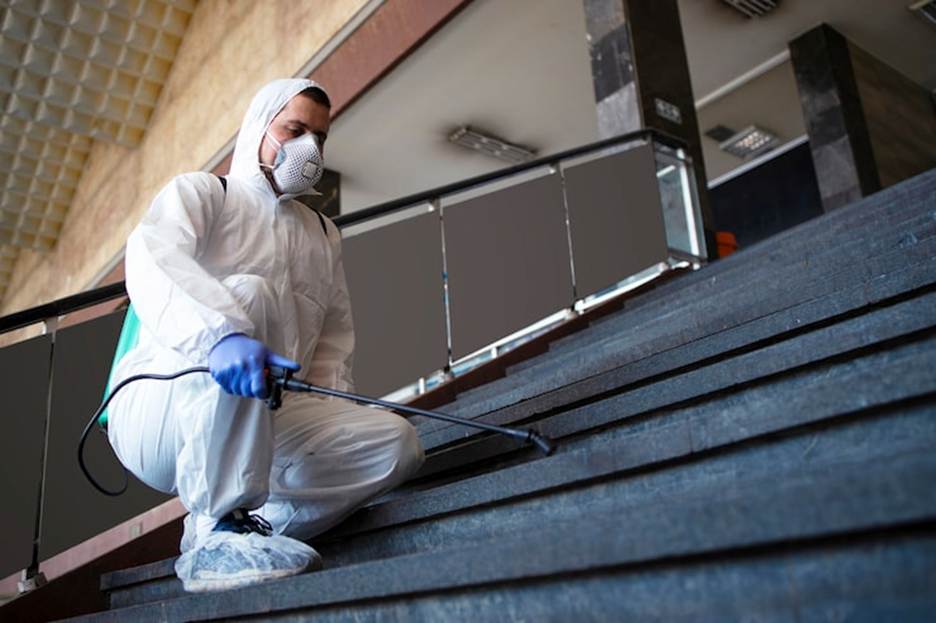
Homeowners often try to inspect for termites themselves and there is nothing wrong with staying observant. But professional termite control Sydney technicians use tools that go beyond a visual walkthrough. Moisture meters, thermal imaging cameras and sounding devices can pick up activity behind walls or under flooring long before it becomes visible to the naked eye.
A trained technician also knows where to look. Subfloor access points, weep holes, garden beds against the slab, retaining walls these are the spots termites gravitate toward and they’re not always obvious to someone without pest control experience.
Catching activity at this stage, before it spreads through structural timber is the difference between a manageable treatment and a major repair project.
What Regular Inspections Actually Prevent
An annual or biannual inspection does a few specific things. It catches early activity before it spreads. It identifies conditions around the property that attract termites in the first place like moisture buildup or timber-to-ground contact. And it gives homeowners documentation which matters a lot if a property gets sold down the track and buyers want proof of pest history.
Prevention is not glamorous. Nobody gets excited about booking a termite inspection. But comparing an inspection fee to a five-figure repair bill makes the decision fairly easy once you actually sit down and think about it. See Car Pest Control Sydney
Conclusion
Termites are patient, quiet and extremely good at staying out of sight while causing real structural damage. By the time visible signs show up sometimes years of feeding have already taken place. Regular inspections, awareness of early warning signs, and prompt professional treatment when activity is found are still the most reliable ways to protect a property’s structural integrity and avoid a painful repair bill down the line. For homeowners across Sydney staying ahead of termite activity through consistent checks with E1 Pest Solutions is a small effort that protects a much bigger investment. Also check our more services Commercial Pest Control Services Sydney
FAQs
How often should I book a termite inspection in Sydney?
Most pest professionals recommend an inspection once a year, though older homes, properties near bushland, or homes with a history of termite activity may benefit from checks every six months.
Can I see termite damage without a professional inspection?
Sometimes, but not always. Damage often stays hidden inside walls, subfloors, or roof cavities, which is why professional termite pest control Sydney services use tools like moisture meters and thermal imaging to detect activity early.
Does home insurance cover termite damage in Australia?
Generally no. Most standard home insurance policies treat termite damage as a maintenance issue rather than an insurable event, which is why prevention through termite control Sydney services matters so much.
What attracts termites to a property?
Moisture, timber in contact with soil, mulch beds against the foundation, and poor subfloor ventilation are common attractants. Reducing these conditions lowers the risk of an infestation taking hold.


